
Tax-efficient student loan repayment for California doctors requires understanding how federal programs and state tax rules interact. Most California doctors carry between $200,000 and $400,000 in student debt while facing a high-tax landscape. This debt often makes it hard to build wealth early in your career. But the right approach can turn student loans from a burden into a manageable part of your financial plan.
Schedule a free consultation to optimize your student loan tax strategy and start saving today.
Tax-efficient student loan repayment for California doctors: How PSLF Creates a Tax-Free Forgiveness Path for California Physicians
Public Service Loan Forgiveness (PSLF) wipes out your remaining federal student loan balance after 120 qualifying payments. California does not tax the forgiven amount. For doctors earning $200,000 to $400,000 with similar debt loads. This combination of full debt relief and zero state tax makes PSLF the single most valuable repayment strategy available.
Most California doctors start their work with a high debt load. The mean student debt for a doctor now sits between $200,000 and $400,000 for U.S. loans. The Public Service Loan Forgiveness (PSLF) program offers a way to clear this big balance. To get it, you must make 120 qualifying monthly payments while you work for a 501(c)(3) group or a government employer.
How California Doctors Qualify
You must work for a qualifying employer to stay on the PSLF path. Eligible employers for California physicians include:
- Non-profit hospital systems such as Kaiser Permanente and Sutter Health.
- Veterans Affairs (VA) medical centers and government-run clinics.
- Federally Qualified Health Centers (FQHCs) and community health centers.
- Academic medical centers affiliated with public universities.
California has a rule that stops clinics from hiring doctors in a direct way. This is the Corporate Practice of Medicine doctrine. As a result, many doctors work for private groups that have a contract with a non-profit clinic. You can still get PSLF if you follow the right steps and file the correct employment certification form.
California also offers the State Loan Repayment Program for those who work in high-need areas. While this is not PSLF, it shows the many paths for doctors in the state. For tailored advice on the California state tax treatment of your specific loan situation, individual tax planning services can help clarify your options.
The Residency Playbook
Smart PSLF planning starts when you are a resident. Follow these steps to maximize your qualifying payments during training:
- Consolidate your federal loans immediately after graduation to end the grace period and start the clock early.
- Select an Income-Driven Repayment plan before your first payment is due.
- Certify your income using your prior-year tax return, which likely showed little to no income during medical school.
- Submit the Employment Certification Form annually for each qualifying employer.
Since your pay is low during residency, your bill on an income plan will also be low. This helps you get 36 valid payments before you earn full pay as an attending physician. Since your pay from the year before was likely zero, you might have a bill of zero dollars for your first year. These bills still count as valid payments toward the 120 you need for the program. You can also explore physician-specific tax deductions to further reduce your taxable income during training.
California State Tax Perks
The money forgiven through PSLF is not taxed as federal income. Most states follow this rule, and California is one of them. You will not owe state tax on the forgiven amount either. This is a big win for high-earning doctors who face a top marginal rate of 13.3% in California. It makes PSLF one of the best ways to handle large student loans. The entire balance goes away without a surprise tax bill at either the federal or state level.
Understanding the IDR Landscape: PAYE, SAVE, and IBR in 2026
For high-income doctors, picking the right Income-Driven Repayment (IDR) plan is vital. These plans set your monthly bill based on your pay and family size. They do not use your total debt to set the cost. In 2026, the choice between PAYE, IBR, and the stalled SAVE plan has significant tax implications for California physicians.
Recent Changes to SAVE and PAYE
The SAVE plan replaced REPAYE but is now in a legal fight. Many doctors now look at the PAYE plan instead. PAYE caps your monthly bill at the standard ten-year repayment amount. This cap protects you if your pay grows fast during your career. You can see how these costs fit with comprehensive tax planning in our other posts.
California Tax Rules for Loan Forgiveness
The federal government often taxes forgiven debt as income. But California has its own rules. Under the California Revenue and Taxation Code Section 17132.11, IBR plan forgiveness is always tax-free at the state level. State tax status for PAYE or SAVE forgiveness is less clear. A federal tax exclusion for forgiven student debt ended in late 2025. Now, any debt wiped out by PAYE or SAVE might trigger a state tax bill in California unless new state laws pass.
Comparing Active IDR Plans
Physicians must weigh the monthly cost against the potential tax bill at the end. The table below shows how the main plans differ in 2026 for those who do not use the PSLF path.
| Plan Name | Payment Calculation | Payment Cap | Forgiveness Term | CA Tax Treatment |
|---|---|---|---|---|
| IBR | 10-15% of discretionary income | Standard 10-year amount | 20-25 years | Always tax-free |
| PAYE | 10% of discretionary income | Standard 10-year amount | 20 years | Not yet clear |
| SAVE | 5-10% of discretionary income | No cap | 20-25 years | Not yet clear |
California is a community property state. This adds complexity to the math. If you file taxes as Married Filing Separately to lower your bill, the state splits your income 50/50 with your spouse. This can change your repayment cost. You may need to provide pay stubs to your lender instead of tax forms. This issue is often part of a full individual tax return review for medical professionals.
Should You File Married Filing Separately for Student Loan Savings?
For married physicians on an IDR plan, the choice between filing jointly or separately is a major financial decision. Choosing Married Filing Separately (MFS) can lower your monthly student loan payments by excluding your spouse’s income from the payment calculation. But this strategy also carries trade-offs for California physicians.
How Filing Status Affects Your Monthly Payment
Most IDR plans like PAYE and IBR let you exclude your spouse’s income if you file separately. This can be a significant advantage if you are aiming for PSLF. A lower monthly payment means more of your debt is left to be forgiven tax-free after ten years. But newer plans like SAVE or REPAYE often consider your combined household income regardless of filing status. Check which plan you are on before making this change.
A doctor with $300,000 in debt and a high-earning spouse might save $20,000 per year in loan payments by filing separately. But this choice also means losing access to several tax benefits that are only available to joint filers:
- The student loan interest deduction (up to $2,500 per year).
- The Child and Dependent Care Credit.
- The Earned Income Tax Credit.
- Higher contribution limits for Roth IRAs.
Run a side-by-side comparison each year to determine whether the loan savings exceed the extra tax cost. Common individual tax deductions can help you assess which credits you would forfeit under MFS filing.
California Community Property Challenges
California is a community property state. This adds complexity. When you file separately in California, the law sees half of your income as belonging to your spouse and half of theirs as belonging to you. This 50/50 split can make it difficult to demonstrate your true income to your loan servicer.
To work around this issue, you may need to provide alternative documentation such as recent pay stubs or a letter from your employer. This helps the servicer calculate your payment based on your actual earnings rather than the community property split shown on your tax return. Individual tax planning for California physicians should account for this extra layer of complexity.
When to Choose Married Filing Separately
The decision to file separately is not always the best path. It works best when the income gap between spouses is large or when the total debt is very high. You must weigh the loss of tax breaks against the cash savings from a lower loan payment. A consultation with tax professionals who understand both California community property law and student loan repayment can help you make the right call each year.
Should You Refinance Your Student Loans as a California Doctor?
Choosing between federal and private student loans is a critical decision for California doctors. Most new physicians start with federal debt between $200,000 and $400,000 at interest rates from 6% to 8%. Private refinancing may offer rates between 4% and 6%, potentially saving $30,000 to $80,000 over a ten-year term. But the choice involves more than just comparing interest rates.
Weighing Interest Rates Against Borrower Protections
Switching to a private loan means giving up federal protections for a lower monthly payment. Federal loans offer several safety nets that private loans do not:
- Income-driven repayment plans that adjust payments to your earnings.
- Deferment and forbearance options during residency, fellowship, or hardship.
- Public Service Loan Forgiveness eligibility.
- Death and disability discharge of the remaining balance.
Doctors with high debt loads should maintain these safety nets unless they have substantial emergency savings. A lower rate is helpful, but it may not justify the risk of losing federal protections in an uncertain job market.
The High Cost of Losing PSLF Access
The main factor in this decision is PSLF eligibility. The table below shows the trade-offs:
| Feature | Federal Direct Loans | Private Refinancing |
|---|---|---|
| Interest Rates | 6% to 8% | 4% to 6% (typical) |
| PSLF Eligibility | Yes | No |
| Income-Driven Plans | Yes | No |
| Safety Protections | Forbearance and deferment | Rare or none |
| Death and Disability Discharge | Standard | Rare |
If you work for a non-profit system such as Kaiser or a state hospital, PSLF forgives your balance after ten years. This forgiveness is tax-free at both the federal and state levels in California. Switching to a private loan permanently closes this door. You should only refinance if you are certain you will remain in private practice for your entire career.
Not sure which path fits your situation? Call (424) 430-3272 to discuss your refinancing options with a tax strategist who understands California physician compensation.
Maximizing Student Loan Interest Deductions
Whether your loans are federal or private, you may qualify for a valuable tax break. The IRS allows you to deduct up to $2,500 of student loan interest each year as an above-the-line deduction. You do not need to itemize to claim it. This deduction reduces your Adjusted Gross Income (AGI). For doctors on federal IDR plans, a lower AGI can also reduce your monthly loan payments. Explore common tax deductions to see how this fits your overall tax picture.
Tax-efficient student loan repayment for California doctors requires a long-term view. Private loans work best for those with stable jobs who do not need federal protections or PSLF eligibility. If you might work for a non-profit, staying federal is often the smarter move.
Student Loan Interest Deduction and Other Tax Breaks for Physicians
High-income doctors in California face some of the highest combined federal and state tax rates in the country. The student loan interest deduction offers a small but meaningful break. Under IRS Section 221, you can deduct up to $2,500 of the interest you pay on eligible loans each year. You do not need to itemize to claim it. This makes it accessible for most early-career doctors who may not yet have significant itemized deductions such as mortgage interest.
How This Deduction Creates a Double Benefit
This deduction does more than just lower your year-end tax bill. Because it reduces your AGI, it can also lower your monthly IDR payments. For California doctors on plans like PAYE or IBR, a lower AGI produces lower payment amounts. This creates a double benefit where you save on federal taxes while keeping more cash in your pocket each month.
The deduction phases out as your income grows. Once your modified AGI exceeds certain thresholds, the IRS phases out the amount you can deduct. For residents and fellows, this remains a valuable tool. Work with a tax professional to determine where you fall in the phase-out range.
Professional Costs You Can Deduct
Beyond loan interest, you should track other costs related to your medical practice. Many physician-specific tax deductions are easy to overlook but can add up to significant savings:
- Medical license and DEA registration fees.
- Board certification and exam fees.
- Hospital credentialing costs.
- Continuing Medical Education (CME) travel, lodging, and registration.
- Medical association membership dues (AMA, CMA, specialty societies).
- Professional liability (malpractice) insurance premiums.
For a complete list, see our physician tax deductions guide. Keeping organized records of these expenses throughout the year is essential for maximizing your deductions at tax time.
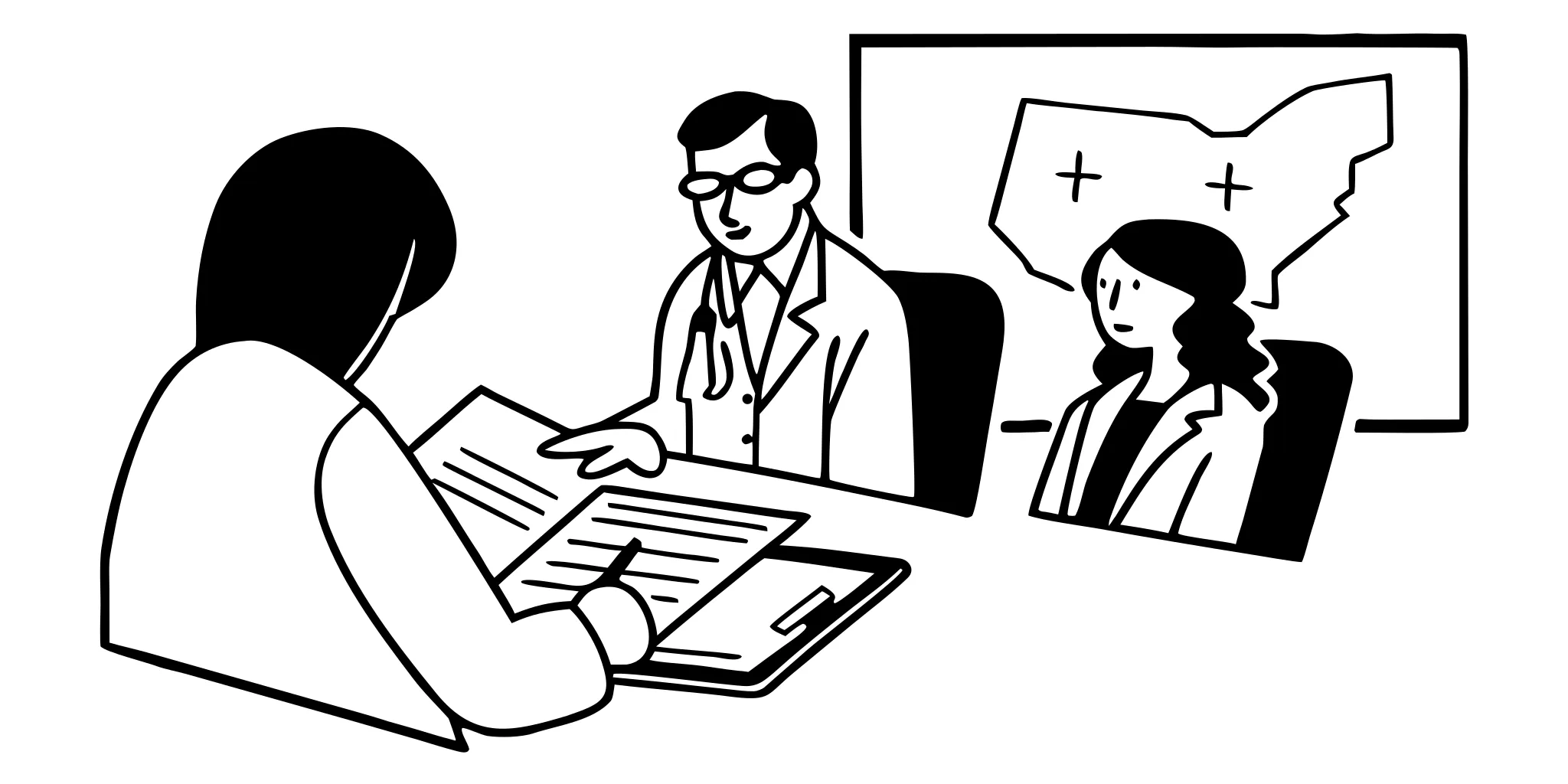
California State Loan Repayment Programs
California offers targeted help for physicians who work in underserved areas. The California State Loan Repayment Program (SLRP) provides funding directly toward student debt in exchange for a service commitment. The CalHealthCares program offers up to $300,000 in loan repayment for doctors serving Medi-Cal patients. These programs, combined with federal tax strategies, can dramatically accelerate your path to debt freedom. A coordinated approach between state benefits and federal tax planning is essential for maximizing total savings.
Building a Year-Round Tax Strategy Around Your Student Loans
For high-income doctors in California, student loan repayment is not just a monthly bill. It is a central piece of a year-round tax strategy. By linking your loan payments with other financial moves, you can lower your tax bill and your monthly loan costs simultaneously. The key is managing your Adjusted Gross Income.
Reducing AGI to Lower Loan Payments
Contributing to pre-tax retirement accounts is the most effective way to lower your AGI. For California doctors, this strategy is even more valuable due to the state’s high income tax rates. Key pre-tax strategies include:
- Maximizing 401(k) or 403(b) contributions ($23,000 in 2026, plus $7,500 catch-up if age 50+).
- Contributing to a 457(b) deferred compensation plan if your employer offers one.
- Funding a Health Savings Account (HSA) for its triple tax advantage.
- Using tax-loss harvesting to offset up to $3,000 of ordinary income annually.
These strategies reduce your AGI, which in turn lowers your IDR payment calculation. An HSA is particularly valuable because it reduces your AGI, grows tax-free, and can be used for qualified medical expenses at any time. Individual tax planning can help you determine the optimal mix of pre-tax contributions based on your specific compensation structure.
Advanced Strategies for High Earners
Doctors earning $300,000 to $800,000 often need more than standard retirement contributions. The mega backdoor Roth IRA allows you to contribute after-tax funds beyond the standard limit and convert them to Roth, creating tax-free growth. While these are after-tax contributions that do not reduce your AGI, they build long-term wealth without adding to your future tax burden.
If you own a private practice or have side income from consulting or expert witness work, consider a defined benefit or cash balance plan. These plans allow significantly larger pre-tax contributions than standard 401(k) limits. The trade-off is that they reduce your AGI and your student loan payments simultaneously. For physicians with complex compensation, professional tax return preparation ensures every available strategy is properly implemented.
Coordinating With California Tax Rules
California has unique rules that physicians must navigate. The state follows federal treatment for PSLF forgiveness. But other forgiveness programs may have different tax treatment. High earners in California face some of the highest combined tax rates in the country. Every dollar of AGI reduction is more valuable here than in most states. A well-designed plan ensures you are not saving on loan payments only to lose those savings to higher state taxes.
Ready to build your plan? Call (424) 430-3272 to schedule a free consultation with Clear Peak Accounting.
Frequently Asked Questions
Can California doctors get Public Service Loan Forgiveness while working for private medical groups?
Yes. California law prevents hospitals from hiring doctors directly. This means most physicians work for private professional corporations that contract with non-profit hospitals. As long as your employer meets PSLF requirements and you certify your employment correctly, you can qualify even if you are not a direct employee of the non-profit. File your Employment Certification Form annually to track your progress.
Is Public Service Loan Forgiveness taxable as income in California?
No. California does not tax loans forgiven through PSLF. While the federal tax exclusion for some student loan forgiveness types expired at the end of 2025, California maintains its own tax treatment for PSLF. The forgiven amount remains tax-free at the state level. This distinction makes PSLF particularly valuable for high-income California physicians compared to doctors in states that do tax forgiven debt.
What is the CalHealthCares loan repayment program?
CalHealthCares offers up to $300,000 in student loan repayment for eligible California physicians. To qualify, you must commit to five years of service in a designated shortage area serving Medi-Cal patients. This state-level program can complement federal forgiveness strategies. It is managed by Physicians for a Healthy California and represents a significant opportunity for primary care doctors.
How does community property affect student loan payments for married California doctors?
California’s community property law splits all marital income 50/50 between spouses. When you file separately to lower your IDR payments, your tax return reflects this split rather than your actual individual earnings. You may need to provide alternative income documentation such as pay stubs to your loan servicer. Proper planning ensures your reported income accurately reflects your ability to pay while remaining compliant with California law.
Should California doctors use a 457(b) plan to lower student loan payments?
Yes, if your employer offers one. A 457(b) deferred compensation plan allows pre-tax contributions that reduce your AGI, which in turn lowers your IDR payment calculation. California does not tax 457(b) contributions at the state level either. This makes the 457(b) one of the most effective tools for doctors who want to simultaneously save for retirement. Reduce their tax burden, and lower their monthly student loan payments.
Ready to Plan Your Student Loan Tax Strategy?
Waiting to take action on your student loans can cost you thousands in unnecessary tax each year. A coordinated plan that leverages both federal and California state tax breaks can save you significant money. Starting today helps you reach your financial goals faster and keep more of your hard-earned income.
Our team at Clear Peak Accounting understands the complex intersection of student loan repayment and tax strategy for California physicians. We work with doctors, dentists, and other medical professionals to build tax-efficient financial plans.
Ready to call? Call (424) 430-3272 to schedule a free consultation.