

A thriving therapy practice can create a tax problem long before its owner feels financially secure.
Schedule a tax planning consultation with Clear Peak Accounting.
Tax planning for therapists California connects accurate books, quarterly estimates, cash reserves, payroll, retirement goals, and entity decisions. The goal is to see what the practice earns, reserve cash before deadlines, and adjust the plan as profit changes. Review specific tax and entity choices with qualified professionals.
A sound plan starts with numbers you can trust. That is why tax planning for therapists in California starts with clean books, then builds a repeatable process around those records.
Tax planning for therapists in California starts with clean books
In short: accurate monthly books separate practice and personal spending, reveal true profit, and give a tax professional reliable numbers for forecasts and planning decisions.
Separate the practice from personal spending
Tax planning depends on knowing what the practice earned and spent. A separate business bank account and card make that work easier. They also reduce the chance that a personal purchase is treated as a business cost or that a valid practice expense is missed. Avoid these common small business bookkeeping mistakes when building the monthly workflow.
Therapists often receive money from several sources, such as private-pay clients, insurance reimbursements, and contractor work. Deposits should be matched to the right source. Fees, refunds, and payment processing costs also need clear categories.
Close the books every month
A monthly close turns a stream of transactions into useful reports. Reconcile each bank and card account, review income and expense categories, and investigate unusual balances. Save receipts and other support while the details are still easy to recall.
Current books show whether profit is rising faster than cash. They also help an advisor update estimated taxes before a large surprise forms. Clear Peak Accounting’s business accounting and management services can help practice owners create a reliable monthly process. Learn more about Clear Peak Accounting’s approach to personalized service.
Use reports to make decisions
A profit and loss statement is more than a filing-year document. Reviewing it throughout the year helps a therapist see the effect of changes in caseload, rates, rent, software, continuing education, and staff costs. The balance sheet adds context by showing cash, debts, and amounts owed.
Good records do not decide which costs are deductible or which entity is right. They give a qualified tax professional the facts needed to evaluate those questions. That makes every later planning conversation more useful.
How should a therapist plan for quarterly estimated taxes?
In short: update the books, forecast full-year profit, review the full tax picture, reserve cash, make the payment, and refresh the forecast whenever income changes.
Many private practice owners do not have enough tax withheld from another job to cover tax tied to practice profit. Estimated payments can help spread that obligation across the year. The amount should come from current records and a forecast, not a guess based only on last year’s return. Review the current California estimated tax payment dates and rules as part of the calendar.
A repeatable estimate process
- Update the books. Reconcile accounts and confirm that income, expenses, and owner transactions are recorded correctly.
- Forecast full-year profit. Consider current caseload, planned time off, rate changes, new hires, and major costs.
- Review the full tax picture. A qualified advisor can consider federal and California obligations, other household income, withholding, and prior payments.
- Set aside and send the payment. Move planned tax cash to a separate reserve, then pay by the applicable deadline.
- Refresh the forecast. Repeat the process when profit, payroll, or household income changes.
Why one annual estimate may fail
A therapy practice can change quickly. A full caseload, a new group program, or an associate hire may lift profit. Time off, client turnover, and delayed insurance payments may lower cash. A payment plan based on stale numbers can therefore be too high or too low.
Quarterly reviews give the owner time to respond. They can adjust the reserve, discuss withholding, and plan for upcoming costs before year-end. This article offers general information only. Payment amounts and filing duties should be confirmed with a qualified tax professional who knows the therapist’s facts.
Build a tax reserve around private practice cash flow
In short: move part of every practice receipt into a separate tax account, then compare the reserve with updated estimates each month.
Many therapists find that making a profit does not always mean having cash on hand. You might see a high balance in your bank account after a busy month and feel like your business is doing well. However, some of that money belongs to the government. Without a clear plan, you could face a large bill that you cannot pay when tax season arrives. Strategic tax planning helps you set aside funds before you spend them on other business needs.
Set up a separate tax savings account
The best way to protect your practice is to keep tax money away from your daily spending. You should open a separate savings account just for your future tax bills. Do not use this account for rent, software, or office supplies. Every time you receive a client payment or a health plan reimbursement, move a set part of that cash into this account. Most experts suggest saving between 25% and 30% of your net income to cover federal and state costs. This habit ensures the funds are ready when you need to make estimated tax payments to avoid IRS penalties.
Manage the impact of uneven cash flow
Private practice income often goes up and down throughout the year in California. You may see a dip in client sessions during summer breaks or the winter holidays. Delays in insurance payouts can also create gaps in your bank balance. If you only save during high-volume months, you might struggle during the slow times. Use your tax reserve as a buffer for your practice. By saving a fixed part of every dollar that comes in, you build a safety net. This net stays steady even when your client schedule changes or reimbursements take longer than planned.
Plan for owner draws and payroll timing
It is vital to know the difference between your business profit and your own pay. When you take an owner draw, you are moving money from the business to your personal life. This draw is not a deductible expense, and you still owe taxes on the base profit. If you have employees or contractors, you must also time your tax savings around payroll cycles. Setting aside tax funds before you take your own pay helps you stay solvent. It prevents you from spending money that you will need for the IRS or the state later in the year.
Set up a simple monthly check-in cadence
You do not need to wait until the end of the year to look at your numbers. Set a time each month to review your profit and loss statement and your cash flow. Check how much you have earned and how much you have moved to your tax account. If your practice is growing fast, you may need to increase the amount you save each week. Regular check-ins help you stay on track and prevent stressful shocks. This simple routine keeps your practice healthy and gives you peace of mind as a business owner in California.
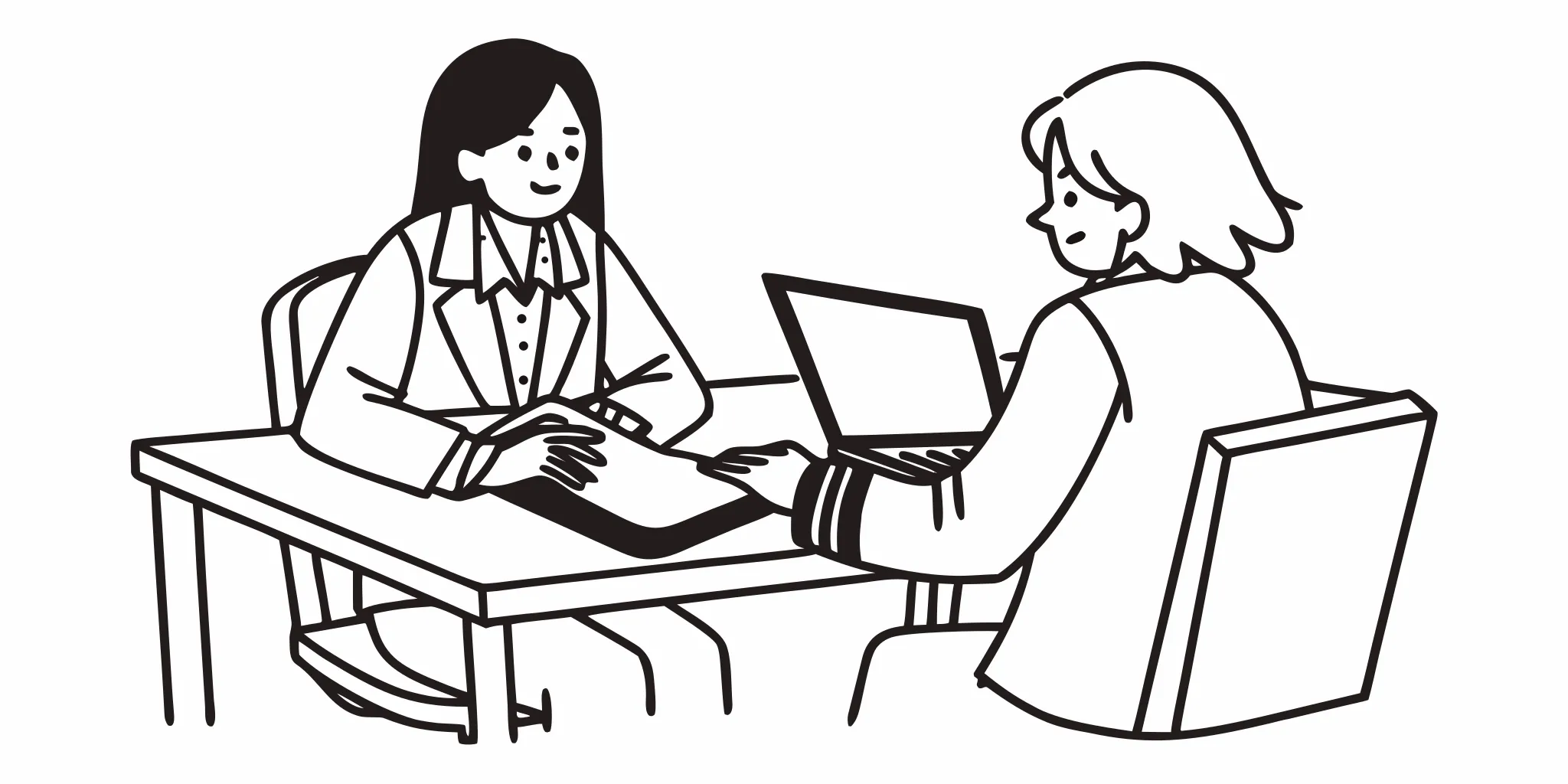
Build a clearer monthly accounting process with Clear Peak Accounting.
When should a California therapist revisit their business entity?
In short: revisit the entity when profit becomes consistently higher, payroll or hiring enters the picture, compliance needs change, or the current structure no longer supports the practice.
Growth in a therapy practice brings new goals and more complex tax needs. Many providers start as sole proprietors because it is simple to set up. You report income on Schedule C of your tax return (Form 1040). As your revenue grows, this simple setup may mean you pay more in self-employment taxes than needed. Tax planning for therapists California often involves looking at when a change in structure might help save money or offer better legal protection.
Growth markers for entity review
There is no single income number that signals a need for change. But when your net profit stays high, you may pay a lot in self-employment tax. This tax covers Social Security and Medicare. Self-employed people must pay self-employment tax on their net earnings. If you see your tax bill rising each year, it might be time to talk to an advisor about a professional corporation.
In California, therapists cannot form standard LLCs for their practice. State law requires specific types of professional corporations for licensed health care workers. Moving to this setup takes more work and costs more to maintain. You will have more rules to follow, such as holding meetings and keeping records. But for some, the tax savings may outweigh these extra steps. You can learn more about entity formation and maintenance for help with these steps.
Comparing business structures
The right choice depends on your specific practice goals and profit levels. A sole proprietor has full control and low costs but pays tax on all profit. A professional corporation with an S-corp tax election might allow you to pay yourself a salary. You then take some profit as a payout that does not face the same payroll taxes. This split can lead to lower total taxes. Here is how the two main paths compare for many therapists.
| Feature | Sole Proprietor | Professional Corp (S-Corp Election) |
|---|---|---|
| Tax Reporting | Schedule C on Form 1040 | Business return plus W-2 salary |
| Self-Employment Tax | Paid on all net profit | Paid only on W-2 salary amount |
| Setup Costs | Minimal | Higher (filing fees and legal) |
| Legal Status | No separate legal entity | Separate legal entity for practice |
| Complexity | Low (simple record keeping) | High (payroll and annual filings) |
Qualified business income and other rules
The Qualified Business Income (QBI) deduction is another big factor. This rule lets many self-employed people take up to 20% off their business income for federal taxes. Your business structure and income level can change how much of this deduction you can get. Read this overview of the qualified business income deduction, then review the details with a pro each year. They can help you see if a new entity fits your current path.
What changes when payroll enters the picture?
In short: payroll adds recurring calculations, deposits, filings, and year-end forms that must stay aligned with bookkeeping and cash planning.
Payroll can begin when a therapist hires staff or adopts a structure that calls for the owner to receive wages. It creates a new set of recurring duties. Those duties need to stay aligned with bookkeeping, cash planning, and tax filings.
Payroll is a process, not one transaction
Running payroll means more than moving money to a bank account. The practice must collect worker information, calculate pay, make required deposits, file returns, and prepare year-end forms. Deadlines can occur throughout the year, so a clear calendar and assigned owner are important.
Books should separate wages, employer taxes, benefits, reimbursements, and owner distributions. Clean categories make reports easier to review. They also help a tax advisor see whether payroll entries and cash transfers match the chosen structure.
Owner pay needs careful review
An owner may hear that an S corporation election automatically lowers taxes. That claim leaves out payroll cost, added filings, California rules, and the need to support owner pay. Whether the election fits depends on the whole practice, not one tax line.
A therapist considering owner payroll should ask an advisor to model expected profit, wages, compliance costs, and cash flow. The plan should also be reviewed when profit or the owner’s role changes.
Coordinate payroll with cash reserves
Payroll creates fixed due dates even when client payments arrive late. A practice needs enough cash for net pay, deposits, benefits, operating costs, and planned owner draws. A cash forecast can show when those needs may collide.
Regular coordination between the payroll provider, bookkeeper, and tax professional helps prevent mismatched records. It also gives the therapist one clear view of what the practice can safely spend.
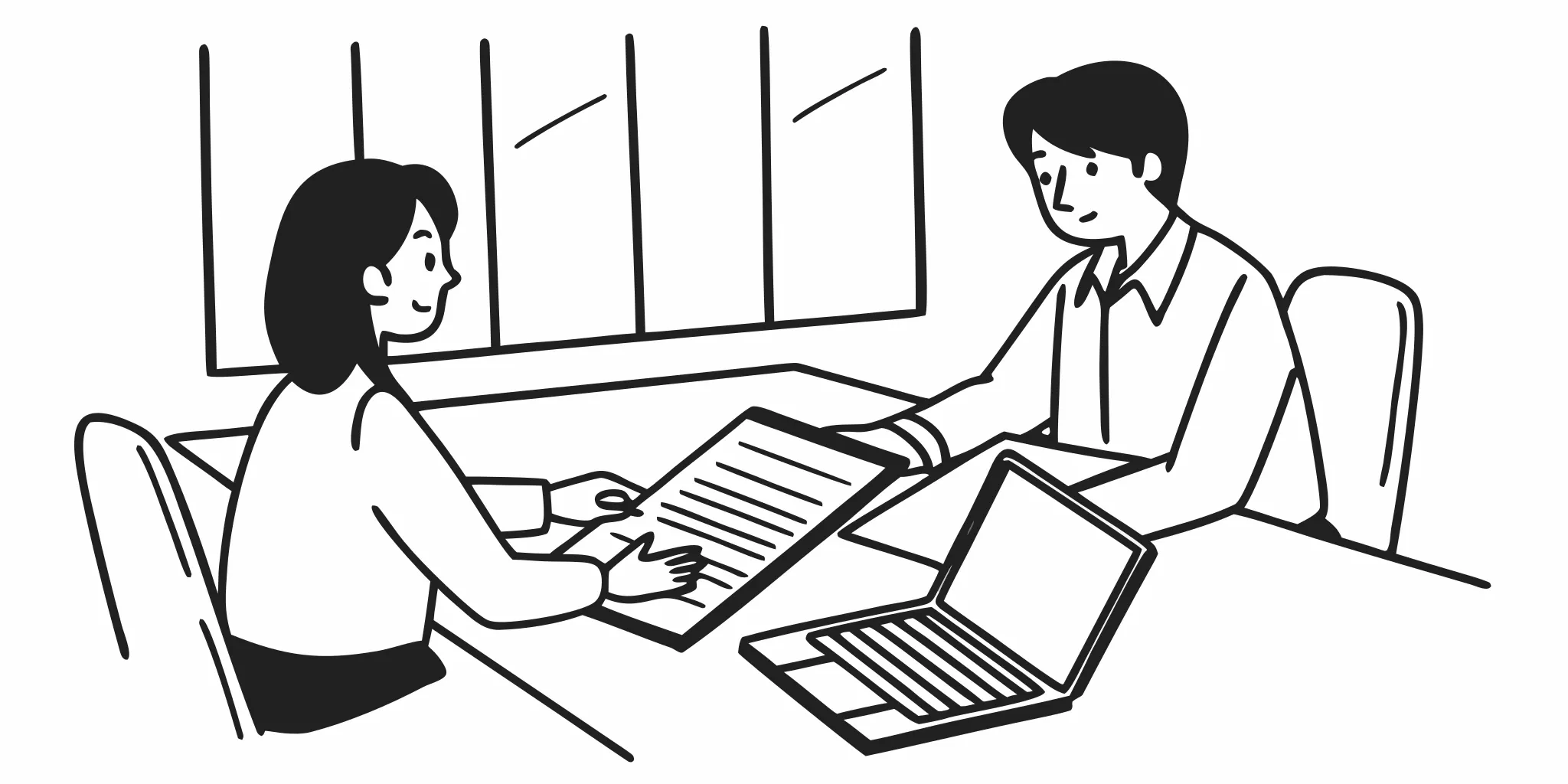
Use retirement planning as part of the tax calendar
In short: match retirement plan selection, contribution timing, and funding capacity to the practice’s forecasted profit and filing calendar.
Planning for your future is a key part of your tax calendar. For a growing practice, choosing the right retirement plan is a top priority. Your choice affects how much you can save and how much you can deduct from your taxable income. You should match these plans with your profit forecasts to make the best moves each year.
Choose the best plan for your practice
There are many ways to save for retirement when you work for yourself. A SEP IRA is easy to set up and has high limits for what you can put in. A Solo 401(k) may allow for even larger contributions if you have high net earnings. Compare options for the best retirement plan for small business owners, then pick a plan that fits your current cash flow and long-term goals.
Working with an advisor helps you find the right fit. They can show you how each plan works with your self-employed tax status. This helps you avoid missing out on big tax breaks while you build your wealth.
Sync deadlines with your tax filing
Deadlines are a big part of tax planning for therapists California. Most retirement plans let you add funds until your tax return due date. This gives you time to see your final profit for the year before you decide how much to save. If you file for more time, you may have longer to fund your plan and lower your tax bill.
Clear Peak Accounting helps you track these dates so you stay on track. We look at your profits all year to help you set aside the right amount. By planning ahead, you can turn your tax season into a way to grow your own net worth.
Match cash flow and plan design
A good plan design looks at your whole financial picture. You need to know if you will have the cash to fund your plan when the time comes. If your practice is growing fast, you might need a plan that allows for larger catch-up contributions. This keeps your tax bill low while you put money back into your business.
It is helpful to view retirement as a business expense that builds your future. Like other necessary business costs, these funds help reduce your total tax load. Keeping your records clear and your goals in sight makes this process smooth and rewarding.
A year-round tax planning rhythm for private practice
In short: monthly bookkeeping, quarterly forecasts, midyear reviews, and year-end decisions turn tax planning into a manageable routine rather than a filing-season scramble.
Managing a private practice in California means you must stay on top of tax tasks all year long. A steady rhythm helps you avoid a large bill and stress when the main filing date arrives. You can use a structured calendar to track your income and plan for your next payment.
Monthly book tasks
You should review your books at the end of every month. This habit makes it easy to find and list all your costs. You will need accurate records of your income to back up any tax break you claim. When you check your books often, you can see how much profit your practice makes in real time.
This monthly check is the best way to catch mistakes before they grow. It also helps you see if you are spending too much in certain areas. Keeping your personal and business cash separate is a key part of this work. It ensures you have the proof the IRS needs for every business cost.
Quarterly tax reviews
Every three months, you should look at your profit and plan your next tax payment. Most self-employed people must send estimated tax payments if they expect to owe $1,000 or more. These four payments help you stay current on what you owe and avoid extra fees from the IRS.
This is a good time to adjust your payments if your practice grows. If you make more money, your quarterly check will show you if you need to pay more to stay safe. Clear Peak Accounting offers tax planning for therapists in California to help you find the right amount for each check.
Midyear and year-end checks
In the middle of the year, you should review your business structure and retirement plans. This is a great time to see if an S-corp or other setup could help you save on self-employment tax. You can also check your payroll and see if you are saving enough for when you stop working.
As the year ends, look at your big buys and final costs. You might use Section 179 to deduct the full price of new tools or gear you bought for your office. A final check with a pro helps ensure you use every rule to your favor before the year closes.
-
Update your books every month to track all income and costs for your therapy practice.
-
Calculate your profit every three months to set aside enough cash for your next tax payment.
-
Review your retirement savings in the middle of the year to see if you can put more away.
-
Analyze your business structure to see if a change could lower your overall tax bill.
-
Meet with a tax pro at the end of the year to finalize your plans and claim all your business costs.
Get help building a reliable bookkeeping and planning rhythm.
Frequently asked questions
Can a California therapist form an LLC?
California’s professional and licensing rules can limit which entity forms licensed therapists may use. Because the answer depends on the therapist’s license, ownership, and services, review the choice with a California attorney and tax professional before filing.
When should a private practice therapist consider an S corporation election?
An election may deserve review once profit is stable enough to support payroll and added compliance costs. It is not an automatic fit. An advisor should model wages, payroll cost, California obligations, and expected savings using the practice owner’s facts.
What records help with tax planning?
Useful records include reconciled bank and card accounts, categorized income and expenses, payroll reports, prior returns, estimated payments, and notes about major planned changes. Current reports make forecasts and planning talks more accurate.
How often should a therapist review their tax plan?
Review the plan at least when the books close each quarter and whenever profit, payroll, entity structure, or household income changes. More frequent reviews may make sense during rapid growth.
Is this article tax or legal advice?
No. It provides general educational information. Therapists should consult qualified tax and legal professionals about their specific facts before making tax, entity, payroll, or retirement decisions.
Build a tax plan that grows with your practice
A useful plan connects the decisions you make all year, not just the forms filed after year-end. Clear Peak Accounting can help you build a planning rhythm around your books, forecasts, payroll, entity needs, and long-term goals. Contact Clear Peak Accounting when you are ready to discuss your practice.
Schedule a tax planning consultation to discuss the next steps for your California therapy practice.